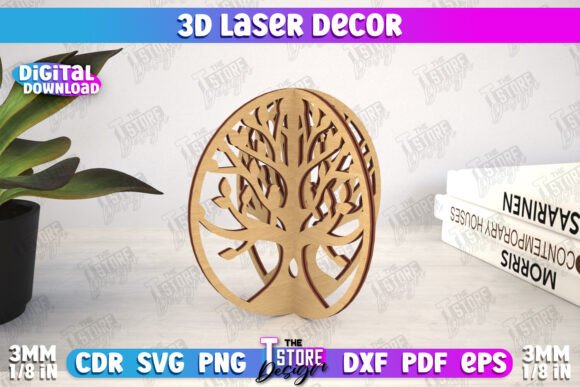
Crafting Nature Indoors: A Guide to 3D Laser Décor Tree Shape Home Decor
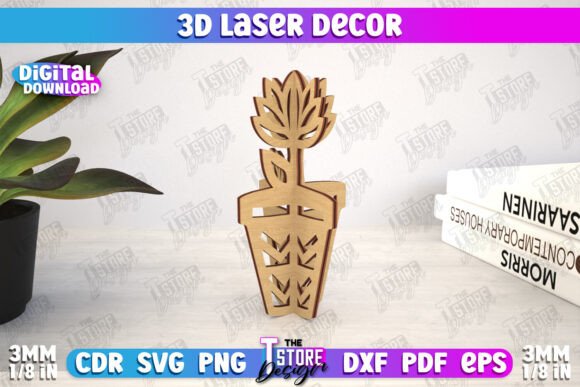
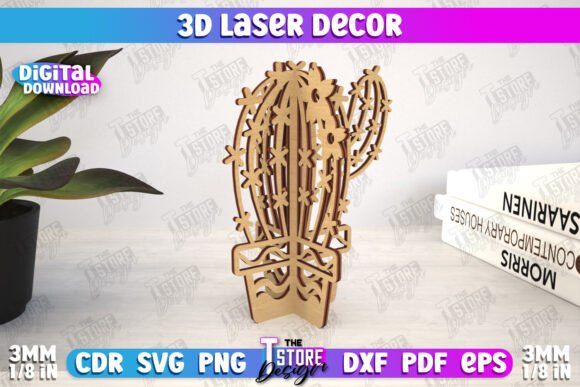
The modern home is increasingly becoming a canvas for personal expression, where mass-produced items are giving way to bespoke, handcrafted pieces. Among the most captivating trends in interior design is the integration of natural elements through precision craftsmanship. The 3D Laser Décor Tree Shape Home Decor represents a perfect fusion of organic aesthetics and digital manufacturing. For makers, hobbyists, and small business owners operating laser cutting machines, this niche offers a unique opportunity to create stunning visual centerpieces that resonate with the biophilic design movement.
Creating these intricate wooden figurines requires more than just a machine; it demands high-quality digital assets that translate seamlessly from screen to material. Understanding the nuances of file formats, cut lines, and engrave settings is crucial for achieving professional results. This guide explores how to effectively utilize CNC files for natural design decorative figurines, ensuring your projects stand out in quality and detail.
The Appeal of Natural Design Wooden Figurines
Wood has always held a special place in home decoration due to its warmth, texture, and versatility. When combined with laser technology, wood can be transformed into delicate, multi-layered structures that mimic the complexity of nature. A 3D Laser Décor Natural Design Wooden Decorative Figurine is not merely a static object; it is a testament to the precision of modern tools and the timeless beauty of organic forms.
These decor pieces often feature layered silhouettes that create a sense of depth and shadow. Whether it is a sprawling oak, a minimalist pine, or an abstract botanical shape, the interplay of light and wood grain adds a dynamic element to any room. For consumers, these items serve as elegant shelf accents, table centerpieces, or wall art. For creators, they represent a scalable product line that appeals to eco-conscious buyers looking for sustainable yet sophisticated decor.
Understanding the Digital Blueprint: File Formats and Compatibility
The foundation of any successful laser cutting project lies in the quality of the digital file. When purchasing or downloading designs for 3D Laser Décor Tree Shape Home Decor, you will typically receive a zip archive containing multiple file formats. Each format serves a specific purpose and interacts differently with various software ecosystems.
- SVG (Scalable Vector Graphics): Ideal for web-based design tools and many laser software platforms. However, scaling issues can sometimes occur.
- DXF (Drawing Exchange Format): The gold standard for CAD compatibility. It preserves dimensions accurately and is highly recommended for professional workflows.
- EPS (Encapsulated PostScript): Useful for graphic designers using Adobe Illustrator or CorelDRAW.
- PDF (Portable Document Format): Great for viewing the design intent and reference, though less common for direct machine input.
- PNG (Portable Network Graphics): A raster image useful for previews, marketing materials, or engraving reference images.
It is vital to ensure that your cutting machine and software are compatible with these formats. While most modern lasers accept SVG and DXF, older systems may require specific conversions. Always verify your machine’s capabilities before beginning a project to avoid frustration and material waste.
Navigating Software Quirks: The Lightburn Consideration
One of the most popular software solutions for laser cutting is Lightburn, known for its user-friendly interface and powerful features. However, users should be aware of a specific technical nuance: Lightburn can sometimes distort the dimensions of files, particularly when using the SVG format. This distortion might seem minor, but in precision work like 3D Laser Décor Tree Shape Home Decor, even a millimeter of deviation can prevent layers from fitting together correctly.
To mitigate this risk, it is strongly suggested to use the DXF file format when working with Lightburn. DXF files are structurally more rigid regarding dimensional data, ensuring that the design you see on your screen is exactly what the laser cuts. This simple switch can save hours of troubleshooting and material costs, leading to a smoother production workflow.
Decoding the Cut and Engrave Lines
A well-prepared CNC file does more than just provide shapes; it instructs the machine on how to process each part of the design. In high-quality digital products for laser cutting, color coding is used to differentiate between operations. Typically, you will encounter two primary instructions:
- RED line - CUT: These vectors indicate where the laser beam should cut completely through the material. For a tree-shaped decor piece, these lines define the outer silhouette and internal slots for assembly.
- BLACK line - ENGRAVE: These vectors tell the laser to etch the surface without cutting through. This is often used for adding texture, bark details, or decorative patterns to the wooden figurine.
Understanding this distinction is critical for setting up your job. If you mistakenly set a black line to cut, you may ruin the structural integrity of the piece. Conversely, if a red line is set to engrave, the parts will not separate from the sheet. Always double-check your layer settings in your software to match the color codes provided in the file.
Material Selection and Assembly Tips
The choice of material significantly impacts the final look of your 3D Laser Décor Natural Design Wooden Decorative Figurine. Plywood, particularly birch or basswood, is a favorite among laser enthusiasts due to its consistent density and clean cut edges. Thinner sheets (3mm or 1/8 inch) are ideal for intricate details, while thicker materials can add sturdiness to larger pieces.
When assembling 3D laser decor, patience is key. The slots designed in the CNC file are usually tight to ensure a friction fit, reducing the need for adhesives. However, a small amount of wood glue can reinforce joints for long-term durability. Sanding the edges lightly after cutting can remove char marks and enhance the natural finish of the wood. For a polished look, consider applying a clear matte sealant or natural oil to highlight the grain and protect the surface.
Customization and Customer Support
One of the advantages of digital products is the potential for customization. While standard files are designed for general use, specific projects may require adjustments. If you find that the provided PNG file does not meet your marketing needs, or if you require a different size or color variant, do not hesitate to reach out. Many creators are willing to accommodate requests for other types of files or specific modifications.
Communication is essential in the maker community. If you have any questions about file compatibility, assembly techniques, or design adjustments, sending a message to the seller can provide clarity and support. This collaborative approach ensures that you get the most out of your purchase and helps build a relationship with the designer for future projects.
Integrating Laser Decor into Modern Workflows
For small business owners, incorporating 3D Laser Décor Tree Shape Home Decor into your product lineup can diversify your offerings. These items are popular during holiday seasons, housewarming events, and as corporate gifts. By mastering the technical aspects of file handling and material processing, you can produce high-volume orders with consistent quality.
Moreover, staying updated with new releases is beneficial. Following designers and shops allows you to see future releases in your feed, keeping your portfolio fresh and trendy. The world of laser cutting is constantly evolving, with new designs and techniques emerging regularly. By staying connected, you ensure that your creative toolkit remains robust and relevant.
In conclusion, creating beautiful wooden decor through laser cutting is a rewarding endeavor that blends technology with artistry. By paying attention to file formats, respecting software limitations like those in Lightburn, and understanding the cut and engrave instructions, you can produce exceptional 3D Laser Décor Natural Design Wooden Decorative Figurines. Whether for personal enjoyment or commercial sale, these pieces bring a touch of nature’s elegance into any space, crafted with precision and care.