Modern 3D Laser Cactus Décor Guide
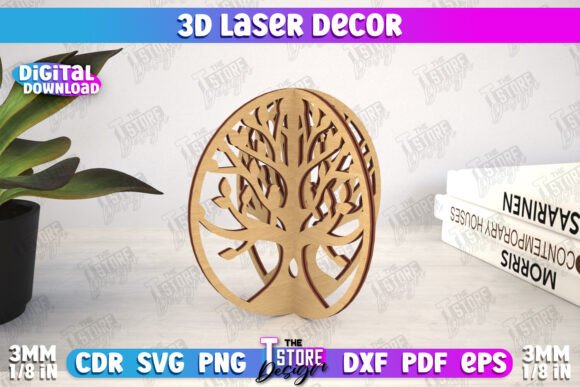
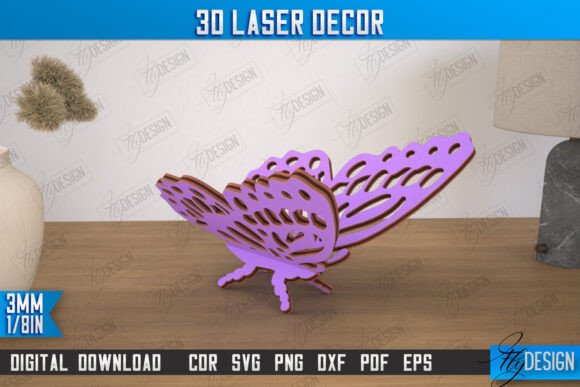
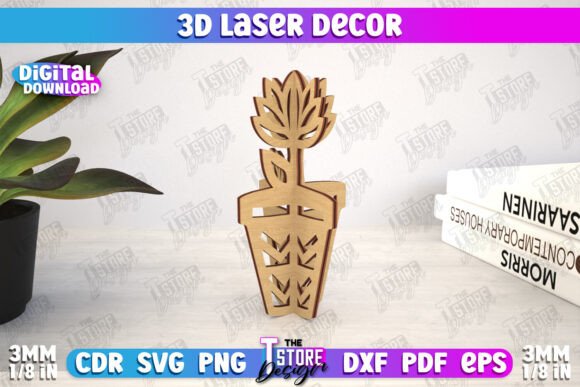
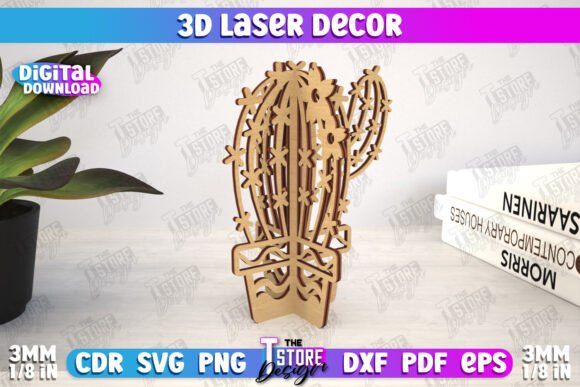
There is a distinct satisfaction in watching a flat sheet of wood transform into a dimensional piece of art. The 3D Laser Décor Cactus Shape Home Decor represents more than just a trendy botanical motif; it is a testament to the precision and creative potential of modern digital fabrication. For designers, hobbyists, and small business owners, this project bridges the gap between digital design files and tangible, high-value home accents. Whether you are running a Etsy shop or simply looking to personalize your living space with a unique touch, understanding the mechanics behind this natural design wooden decorative figurine is essential for achieving professional results.
The appeal of the cactus lies in its versatility. It fits seamlessly into bohemian, minimalist, and contemporary interior styles. However, the true value here is not just in the shape, but in the process. This digital product is engineered specifically for laser cutting machines, offering a streamlined workflow that eliminates the guesswork often associated with CNC projects. By providing a comprehensive zip archive containing SVG, EPS, PNG, PDF, and DXF files, the creator ensures compatibility across a wide spectrum of software and hardware setups.
Understanding the Technical Workflow
Success in laser cutting begins long before the machine powers on. It starts with file preparation. The 3D Laser Décor Natural Design Wooden Decorative Figurine Home Decor CNC File is structured to simplify this phase. The inclusion of multiple file formats is not merely a convenience; it is a strategic necessity for different user environments. For instance, vector-based formats like SVG and DXF are critical for maintaining clean lines and precise dimensions, which are non-negotiable for intricate cuts.
A crucial detail for users of Lightburn, a popular laser control software, is the potential for dimension distortion when importing SVG files. This is a common technical hurdle that can ruin a project if overlooked. To mitigate this, experienced operators recommend using the DXF file format instead. DXF files tend to retain their geometric integrity more reliably within Lightburn, ensuring that your cactus layers align perfectly during assembly. This practical tip highlights the importance of choosing the right tool for the job, rather than relying on a one-size-fits-all approach to file management.
The design itself utilizes a clear visual language for machine instructions: RED lines indicate CUT paths, while BLACK lines indicate ENGRAVE areas. This color-coding system is an industry standard that reduces setup time and minimizes errors. By separating these functions visually, the designer allows you to quickly verify your toolpaths before committing to material. Always ensure your cutting machine and software are compatible with these settings to avoid misfires or wasted wood.
Design Aesthetics and Brand Application
While this product is a physical decor item, the principles behind its creation resonate deeply with broader design disciplines such as brand identity and packaging design. The clean lines and organic shapes of the cactus figurine mirror the trends seen in modern typography and logo design. Just as a well-chosen sans serif font conveys clarity and modernity, the precise laser cuts convey craftsmanship and attention to detail.
For entrepreneurs and marketers, selling or showcasing these items offers an opportunity to highlight quality. The "natural design" aspect appeals to consumers seeking authenticity. In the context of editorial design or social media graphics, images of such handcrafted items perform well because they tell a story of creation. They are not mass-produced plastic goods; they are curated experiences. This aligns with the growing demand for products that feel personal and artisanal, even when produced with digital tools.
Consider how this aesthetic translates to other creative assets. The same precision required to cut the cactus layers applies to creating custom design assets for clients. Whether you are developing a creative font or a complex font pairing for a website, the underlying principle is consistency. The cactus decor serves as a physical manifestation of good design hierarchy: base layers provide structure, while top layers add detail and character. This mirrors how a display font might grab attention while a body text serif font ensures readability.
Practical Tips for Execution and Customization
To get the most out of the 3D Laser Décor Cactus Shape Home Decor files, consider the following practical steps:
- Material Selection: Use high-quality plywood or MDF for the best structural integrity. Thinner woods may warp, while thicker woods require more power and can obscure fine engraving details.
- Test Cuts: Always perform a test cut on a scrap piece of the same material. This helps you calibrate the power and speed settings for both the red cut lines and black engrave lines.
- File Verification: Before sending the job to the laser, open the DXF or SVG in your preferred software and check the dimensions. As noted, Lightburn users should prioritize DXF to avoid scaling issues.
- Customization: The included PNG files allow for visual previews and marketing materials. If you need a different size or color for your promotional content, do not hesitate to reach out. The creator offers flexibility, inviting messages for specific requests regarding file types or PNG variations.
This level of support is rare in digital marketplaces and adds significant value. It transforms a simple transaction into a collaborative experience. For bloggers and content creators, this openness provides excellent material for tutorials or behind-the-scenes content, further enhancing engagement with your audience.
Expanding Your Creative Portfolio
Incorporating projects like the 3D Laser Décor Natural Design Wooden Decorative Figurine into your portfolio demonstrates versatility. It shows potential clients or followers that you understand both the digital and physical aspects of design. This is particularly valuable for those in web design or marketing who want to showcase a holistic understanding of brand presentation. A brand that looks good on screen should also translate well to physical touchpoints, such as packaging or office decor.
Moreover, the skills learned from assembling these laser-cut pieces—patience, precision, and an eye for detail—are transferable. They enhance your ability to critique modern typography, evaluate commercial font licenses, and understand the nuances of print design. When you understand the constraints of physical production, you become a better digital designer. You learn to appreciate white space, line weight, and contrast in new ways.
Finally, staying connected with the creator can yield long-term benefits. By following their shop, you gain access to future releases, which may include new shapes, sizes, or complexity levels. This continuous influx of fresh design assets keeps your offerings relevant and exciting. Whether you are a hobbyist looking to decorate your home or a business owner expanding your product line, the 3D Laser Décor Cactus Shape Home Decor serves as an excellent entry point into the world of precision laser crafting. It is a blend of art, technology, and practical utility that rewards careful execution with beautiful results.