Strategic Visual Assets: Leveraging the Movie Cinema Tickets Design Set for Brand Impact
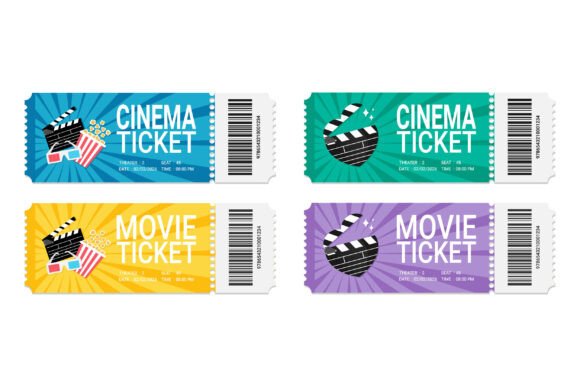
In the digital economy, visual consistency is not merely an aesthetic preference; it is a fundamental component of brand recognition and user trust. For entrepreneurs, marketers, and creative professionals, the ability to rapidly deploy high-quality, thematic graphics can significantly influence the success of promotional campaigns, event invitations, and digital content. The Movie Cinema Tickets Design Set represents more than a collection of clip art; it is a versatile toolkit designed to streamline the creation of cinema-themed communications. By integrating elements such as clapperboards, popcorn buckets, 3D glasses, and barcode-equipped tickets, this asset package allows creators to evoke the excitement of the theatrical experience with professional precision.
The Strategic Value of Thematic Consistency
When planning a marketing campaign or an educational module centered around film, entertainment, or media analysis, the visual language you choose sets the immediate tone for your audience. A haphazard assembly of low-resolution images from various sources creates cognitive dissonance and diminishes perceived value. Conversely, using a cohesive Movie Cinema Tickets Design Set ensures that every touchpoint—from email headers to social media posts—speaks the same visual dialect. This consistency reinforces brand authority and helps the audience instantly categorize the content as relevant and professional.
The inclusion of specific, recognizable icons such as the clapperboard and 3D glasses serves as a visual shorthand. These symbols bypass the need for lengthy textual explanations, allowing viewers to immediately understand the context. For small business owners organizing a community screening or educators teaching film history, this immediacy is crucial. It reduces friction in communication and enhances engagement by tapping into shared cultural associations with the cinema experience.
Technical Flexibility and Operational Efficiency
One of the most significant advantages of this design set lies in its technical architecture. The package includes EPS 10 and AI vector files, which are industry standards for scalable graphics. Unlike raster images that pixelate when enlarged, vector files allow for infinite scaling without loss of quality. This feature is particularly valuable for professionals who need to adapt assets across diverse mediums. You might use the same ticket design for a small Instagram story and then scale it up for a large-format banner at a physical event, all while maintaining crisp lines and perfect color fidelity.
Furthermore, the ability to easily edit colors and sizes within these vector files empowers creators to align the assets with their existing brand guidelines. If your corporate palette consists of deep navy and gold rather than the traditional red and black of cinema tickets, you can adjust the vectors accordingly. This level of customization ensures that the Movie Cinema Tickets Design Set does not look like a generic template but rather a bespoke element of your broader visual identity. The inclusion of four high-resolution PNG files with transparent backgrounds at 300 DPI provides an additional layer of convenience for users who may not have advanced vector editing software, ensuring that even those with basic design skills can achieve professional results.
Enhancing Customer Experience and Engagement
Beyond mere aesthetics, these visual tools play a pivotal role in shaping customer experience. Consider a loyalty program for a local theater or a streaming service launch. Sending out digital "tickets" that mimic the tactile feel of physical admission passes, complete with realistic barcodes, adds a layer of gamification and tangibility to the digital interaction. This psychological trigger can increase open rates for emails and click-through rates for promotions. The detailed illustration of the popcorn bucket and 3D glasses further immerses the user in the narrative, creating an emotional connection before they even purchase a ticket or view the content.
For bloggers and publishers, incorporating these high-quality illustrations into articles about film reviews, industry trends, or director spotlights can break up text-heavy layouts and improve readability. Visual breaks are essential for maintaining reader attention in long-form content. By using relevant, high-resolution imagery from the Movie Cinema Tickets Design Set, you enhance the overall user experience, encouraging longer session durations and lower bounce rates, which are key metrics for SEO performance.
Risks of Unintentional Usage
While the utility of this design set is evident, there are risks associated with its misuse. The primary danger lies in deploying these assets without a clear strategic goal. Using cinema-themed graphics for content that is only tangentially related to film can confuse the audience and dilute the message. For instance, using a clapperboard icon in a financial report simply because it looks "dynamic" creates a mismatch between form and function. Decision-makers must ensure that the visual metaphor aligns with the core subject matter.
Another consideration is over-reliance on stock aesthetics. If every competitor in your niche uses similar cinema icons, your brand may struggle to stand out. To mitigate this, use the editable nature of the AI and EPS files to modify the designs significantly. Change the perspective, combine elements in novel ways, or integrate them with unique typography. The goal is to use the Movie Cinema Tickets Design Set as a foundation for creativity, not as a crutch that prevents original thought.
Practical Applications Across Industries
The versatility of this vector illustration set extends beyond the entertainment industry. Here are several strategic applications for different professional roles:
- Event Planners: Use the ticket designs with barcodes for actual entry passes to film festivals, outdoor screenings, or themed corporate parties. The vector format ensures that printed tickets remain sharp and scannable.
- Educators and Trainers: Incorporate the clapperboard and 3D glasses into presentation slides to mark sections related to media literacy, storytelling techniques, or visual analysis. This helps structure the learning journey visually.
- Digital Marketers: Create eye-catching social media graphics for movie premieres, streaming service promotions, or "watch party" invitations. The transparent PNGs allow for seamless integration into various background colors and layouts.
- Web Designers: Utilize the icons as part of a website’s UI elements, such as buttons for "Watch Trailer" or "Buy Tickets," enhancing the intuitive navigation of entertainment-focused platforms.
Decision-Making Framework for Asset Integration
Before integrating the Movie Cinema Tickets Design Set into your workflow, consider the following questions to ensure strategic alignment:
- Does this visual support my core message? Ensure that the cinema theme enhances rather than distracts from your primary communication goal.
- Is the format suitable for my distribution channels? Verify whether you need the scalability of vectors for print and large displays or the convenience of PNGs for quick digital uploads.
- How can I customize this to reflect my brand? Plan your color adjustments and compositional changes early in the design process to maintain brand consistency.
- What is the long-term value? Consider how these assets can be repurposed across multiple campaigns to maximize return on investment.
By approaching the use of these design elements with intentionality, you transform simple graphics into powerful tools for communication. The Movie Cinema Tickets Design Set is not just a collection of images; it is a resource for building cohesive, engaging, and professional visual narratives. Whether you are launching a new product, educating an audience, or enhancing customer loyalty, the thoughtful application of these assets can contribute significantly to your strategic objectives. Remember, the key to effective design is not just in the selection of images, but in their purposeful integration into a broader, well-planned visual strategy.