Don’t Get Your Tinsel in a Tangle: Strategic Design with the Photo Frame Shadow Box
In the realm of creative entrepreneurship and personal branding, the intersection of nostalgia and modern craftsmanship offers a unique opportunity for engagement. The Don’t Get Your Tinsel in a Tangle Photo Frame Shadow project is more than a seasonal craft; it is a case study in layered design, material efficiency, and emotional resonance. For makers utilizing laser cutters like Glowforge®, xTool®, or OMTech, as well as digital cutting machines such as Cricut® and Silhouette®, this project provides a structured yet flexible framework for creating high-value holiday decor.
Understanding how to leverage this specific design file requires looking beyond the immediate aesthetic. It involves recognizing how layered shadow boxes can serve broader goals in product development, customer experience, and brand storytelling. Whether you are a small business owner looking to expand your holiday catalog or a hobbyist aiming to elevate your gifting strategy, approaching this project with intentionality yields superior results.
The Strategic Value of Layered Shadow Boxes
Shadow box designs have endured because they offer depth—both literally and figuratively. The Don’t Get Your Tinsel in a Tangle frame utilizes a multi-layered approach to create a three-dimensional effect that flat prints cannot achieve. This depth captures light and attention, making it an ideal medium for displaying memories from Christmases past.
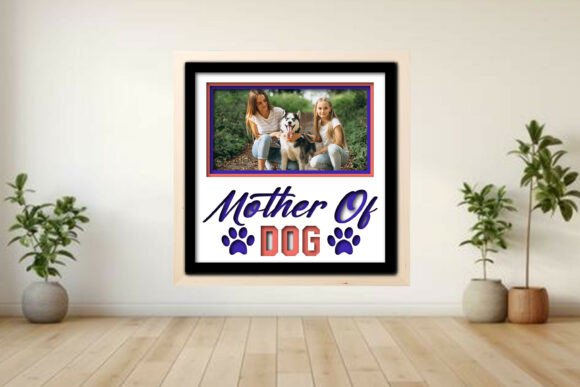
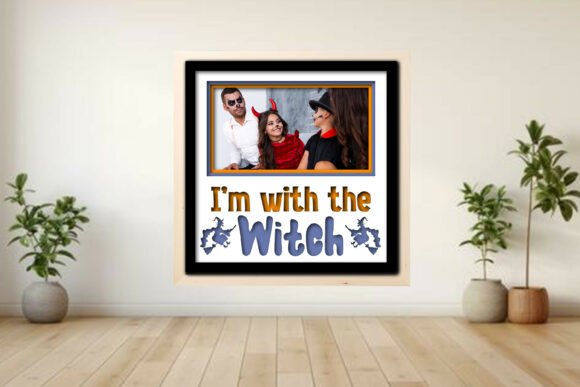
From a business perspective, offering layered products allows for higher perceived value. Customers often associate complexity with craftsmanship. By using a pre-designed SVG or DXF file that includes separate layers for the backer, frame mat, and accents like the "Santa squad," tree, and star, creators can streamline production while maintaining a bespoke appearance. This balance between efficiency and quality is crucial for scaling operations during the high-demand holiday season.
Furthermore, the modular nature of this design supports customization. With options for 1, 2, 3, or 6 photo layouts, the product adapts to various user needs. A single large photo might appeal to those highlighting a specific family milestone, while a six-photo grid suits collectors of annual traditions. This flexibility reduces inventory risk for sellers, as one core design can satisfy multiple market segments.
Technical Precision and Material Considerations
Successful execution of the Don’t Get Your Tinsel in a Tangle Photo Frame Shadow depends on technical rigor. The included files—SVG, DXF, PDF, EPS, PNG, and LBRN2—are optimized for precision, but they are not universal solutions. Each machine interacts differently with materials. For instance, testing in LightBurn on 3 mm plywood requires specific settings for red cuts, blue scores, and black engraves.
Before committing to full production runs, it is essential to conduct material tests. Variations in wood density, moisture content, and laser lens cleanliness can significantly alter outcomes. A strategic approach involves documenting these variables. Create a reference sheet for your specific machine and material combination. This documentation becomes an operational asset, reducing waste and ensuring consistency across batches.
For users of Cricut® or Silhouette® machines, the score lines provide critical guidance for folding or layering paper-based alternatives. While the primary design targets laser cutting, the adaptability of the vector files allows for cross-platform creativity. However, note that thickness limitations differ between laser-cut wood and blade-cut cardstock. Adjusting scale and layer spacing may be necessary to maintain structural integrity when switching mediums.
Enhancing Brand Storytelling Through Personalization
Holiday decor is inherently emotional. It connects consumers to their history, family, and traditions. The Don’t Get Your Tinsel in a Tangle frame leverages this connection by providing a dedicated space for personal photos. When marketing this product, focus on the narrative potential. Encourage customers to view the frame not just as an object, but as a curator of their memories.
For educators and community leaders, this project can serve as a workshop template. Teaching participants how to assemble layered designs fosters skills in spatial reasoning, digital file management, and manual dexterity. The clear assembly guide PDF included with the download simplifies instruction, allowing facilitators to focus on creative expression rather than troubleshooting basic construction issues.
Branding opportunities also emerge through customization. While the base design features festive elements like trees and stars, creators can modify the "Santa squad" accents to align with specific brand colors or themes. This level of control ensures that the final product reinforces brand identity, whether it is whimsical, minimalist, or traditional.
Risks of Unplanned Execution
Despite its user-friendly design, relying on digital files without a clear plan can lead to inefficiencies. One common risk is underestimating assembly time. Layered projects require precise alignment and adhesive application. Rushing this process can result in visible glue marks or misaligned layers, diminishing the professional quality of the piece.
Another risk involves ignoring scalability limits. While the design is fully scalable, expanding it too much may compromise the structural stability of thin materials like 3 mm plywood. Conversely, shrinking it too small might make intricate details like the star accents difficult to cut cleanly. Always consider the physical properties of your chosen material before adjusting dimensions.
Additionally, failing to communicate product limitations can lead to customer dissatisfaction. Since this is a digital download with no physical product included, clear messaging is vital. Ensure that listings explicitly state that photos and mocks are not included. Transparency builds trust and reduces support queries, allowing you to focus on creation rather than clarification.
Decision-Making Framework for Creators
To maximize the impact of the Don’t Get Your Tinsel in a Tangle Photo Frame Shadow, adopt a decision-making framework based on goals and context:
- Define Your Objective: Are you creating this for personal use, a gift, or commercial sale? Commercial ventures require stricter quality control and cost analysis.
- Audit Your Resources: Do you have the appropriate materials (e.g., 3 mm plywood) and machine settings tested? If not, allocate time for prototyping.
- Consider Your Audience: Who will receive or buy this frame? Tailor the photo layout choice (1, 2, 3, or 6) to their preferences.
- Plan for Assembly: Set up a dedicated workspace with proper lighting and tools. Organize layers before beginning to minimize errors.
- Evaluate Long-Term Value: Will this design fit into your broader portfolio? Can it be adapted for other holidays or occasions?
By answering these questions, you move from random creation to strategic production. This shift enhances productivity and ensures that each project contributes meaningfully to your broader goals.
Optimizing for Long-Term Results
The true power of the Don’t Get Your Tinsel in a Tangle design lies in its reusability. Once mastered, the techniques applied here—layering, scoring, and engraving—can be transferred to other projects. Build a library of tested settings and assembly notes. Over time, this knowledge base becomes a competitive advantage, enabling faster turnaround times and higher quality outputs.
Moreover, consider the sustainability aspect. Using durable materials like plywood ensures the frame lasts for years, unlike disposable decor. Highlighting this longevity can appeal to environmentally conscious consumers, adding another layer of value to your offering.
Finally, engage with your community. Share your process, challenges, and successes. Demonstrating expertise through transparent communication builds authority and trust. Whether you are a freelancer, blogger, or small business owner, this engagement fosters loyalty and drives long-term growth.
In conclusion, the Don’t Get Your Tinsel in a Tangle Photo Frame Shadow is a versatile tool for creators. By approaching it with strategic intent, technical precision, and a focus on customer experience, you can transform a simple digital file into a meaningful, high-quality product. Let this project be a reminder that thoughtful planning and creative execution go hand in hand in achieving lasting results.