Integrating 3D Halloween Bat Scene Laser Cut Files into Your Creative Workflow
For makers, small business owners, and hobbyist crafters, the transition from a digital concept to a tangible product is where the real value lies. When preparing for seasonal campaigns or personal projects, efficiency and quality are paramount. This is where 3D Halloween Bat Scene Laser Cut Files become an essential asset in your design toolkit. Rather than spending hours drafting complex vector paths from scratch, these pre-optimized files allow you to focus on material selection, assembly techniques, and final presentation. Understanding how to integrate these assets into your existing workflow can significantly reduce production time while maintaining a high standard of craftsmanship.
The Role of Pre-Designed Assets in Seasonal Production
In any creative business or serious hobbyist practice, time management is critical, especially during peak seasons like Halloween. Designing intricate, multi-layered scenes requires not only artistic skill but also technical knowledge of kerf widths, tab placement, and layer sequencing. By utilizing 3D Halloween Bat Scene Laser Cut Files, you bypass the initial design phase entirely. This shift allows you to allocate more resources to sourcing high-quality materials and refining your finishing processes.
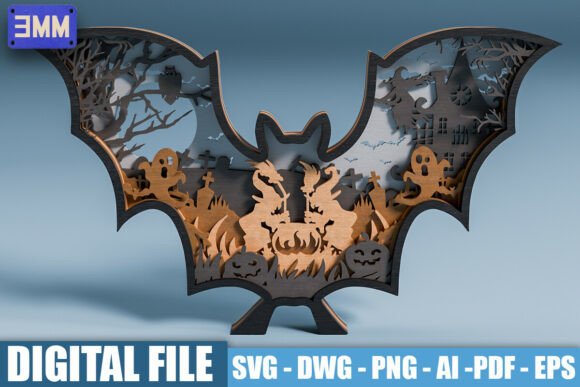
These files are not merely static images; they are functional blueprints optimized for laser cutting machines. The included scene features a classic Halloween narrative—a haunted house, a spooky graveyard, ghosts, pumpkins, and two witches brewing a cauldron—all contained within a bat-shaped silhouette. This thematic consistency ensures that the final product resonates with your audience or customers without requiring additional conceptual development. For entrepreneurs, this means you can rapidly prototype and produce inventory, ensuring you meet market demand without compromising on aesthetic appeal.
Technical Compatibility and File Format Flexibility
A major bottleneck in digital fabrication is file compatibility. Different laser cutters and software ecosystems require specific input formats. A robust digital download must accommodate various workflows, and these files deliver exactly that. The package includes SVG, DWG, PNG, AI, PDF, and EPS formats, ensuring seamless integration regardless of your preferred toolchain.
- SVG: Ideal for users operating with browser-based design tools or entry-level laser software. It ensures clean, precise cuts and is widely supported across platforms.
- DXF/DWG: Essential for professionals using CAD software or industrial-grade laser cutters. These formats maintain geometric integrity and are standard in engineering and architectural design workflows.
- AI (Adobe Illustrator): Provides full editability for designers who wish to customize elements. You can adjust sizes, modify details, or combine this bat scene with other design assets before sending it to the cutter.
- PDF and EPS: Useful for universal viewing, printing proofs, or importing into other vector editing programs that may not natively support AI files.
- PNG: While not used for cutting, the high-resolution transparent background image is invaluable for creating marketing mockups, social media previews, and listing images before you even cut the first piece of wood.
This versatility means you do not need to convert files manually, reducing the risk of errors such as lost nodes or shifted paths. Whether you are using LightBurn, RDWorks, or Adobe Illustrator, the files are ready to import, minimizing setup time.
Material Selection and Preparation Strategies
The design is optimized for 3mm material thickness, a standard dimension for plywood, MDF, and acrylic sheets. However, successful implementation requires more than just loading the file. You must consider the physical properties of your chosen material. For a shadow box effect, contrast is key. Using light-colored wood for the background layers and darker stains or paints for the foreground elements can enhance the depth of the haunted house and graveyard scenes.
Before cutting, always perform a test run on a scrap piece of the same material. This step verifies that the power and speed settings align with the file’s line classifications. The files distinguish between cut lines and engrave lines, which is crucial for achieving the desired texture on elements like the witches’ cauldron or the tombstones. Proper calibration ensures that the intricate details of the ghosts and pumpkins are rendered sharply without charring or incomplete cuts.
Assembly and Quality Control
Once the cutting process is complete, the assembly phase begins. The 3D Halloween Bat Scene Laser Cut Files are designed for easy assembly, but attention to detail here determines the final quality. Start by organizing the layers numerically or by color code if your software supports it. Dry-fit the pieces before applying any adhesive to ensure that all tabs and slots align correctly.
Use a high-quality wood glue or acrylic cement, depending on your material. Apply adhesive sparingly to avoid squeeze-out, which can mar the finish and interfere with the stacking of subsequent layers. A toothpick or fine-tip applicator works well for precise application. As you build up the layers, check the alignment from multiple angles. The shadow box effect relies on consistent spacing between layers, so ensure that each piece sits flush against the previous one.
Quality control extends beyond assembly. Inspect the edges for any burn marks or roughness. Light sanding may be necessary to achieve a professional finish. For added durability, consider sealing the wood with a clear coat or paint, especially if the decoration will be handled frequently or displayed in high-traffic areas.
Strategic Applications for Creators and Businesses
Understanding where this product fits in your broader strategy can maximize its value. For educators, this project serves as an excellent introduction to layered design and spatial reasoning. Students can learn about vector graphics, machine operation, and assembly logic in a engaging, thematic context. The clear separation of cut and engrave lines provides a practical lesson in file preparation for digital fabrication.
For small business owners and Etsy sellers, this item represents a low-risk, high-reward addition to your holiday catalog. Since the design is unique and visually striking, it stands out in crowded marketplaces. You can offer it as a DIY kit, providing customers with the pre-cut pieces and instructions, or as a fully assembled decor item. The latter commands a higher price point due to the labor involved, while the former appeals to hobbyists who enjoy the building process.
Marketers can leverage the included PNG files to create compelling visual content for social media campaigns. Showcasing the transformation from flat vector to 3D object engages audiences and demonstrates the product’s value. Highlighting the intricate details of the witches and haunted house can drive interest and conversions during the pre-Halloween shopping rush.
Long-Term Utility and Customization
While themed for Halloween, the underlying structure of the file offers long-term utility. The AI and EPS formats allow for significant customization. You could replace the Halloween elements with winter holiday motifs, such as snowmen and pine trees, while retaining the bat-shaped frame and layered depth. This adaptability makes the initial purchase a versatile resource for year-round content creation.
Furthermore, maintaining an organized library of such assets streamlines future projects. Tagging files by theme, complexity, and material requirements ensures that you can quickly retrieve relevant designs when planning new products. This systematic approach to asset management reduces decision fatigue and accelerates the launch of new items.
In conclusion, 3D Halloween Bat Scene Laser Cut Files are more than just a digital download; they are a strategic tool for efficient creative production. By leveraging pre-optimized vectors, understanding material interactions, and implementing rigorous assembly practices, you can produce high-quality, festive decorations that enhance your portfolio or product line. Whether you are a seasoned professional or an enthusiastic hobbyist, integrating these files into your workflow supports both creativity and operational efficiency.