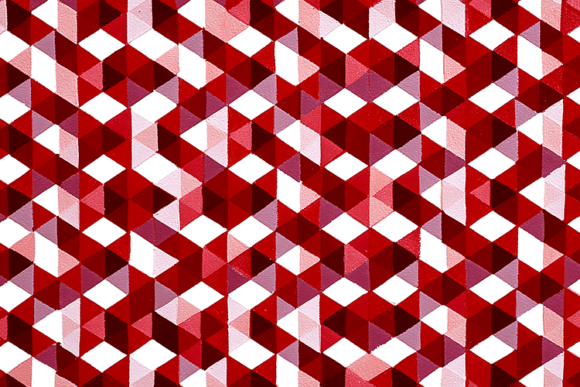
Exploring the Visual Impact of Red Geometric Cube Pattern Modern 3D Designs
In the evolving landscape of digital art and graphic design, the interplay between color, form, and perception has never been more critical. Designers and creators are constantly seeking assets that not only capture attention but also convey a sense of modernity and precision. One such asset that has gained significant traction is the Red Geometric Cube Pattern Modern 3D aesthetic. This specific style leverages the psychological impact of red tones combined with the structural integrity of cubic forms to create visuals that are both bold and intellectually stimulating.
The appeal of this design philosophy lies in its versatility. Whether used as a background for a corporate presentation, a texture for packaging, or a standalone piece of digital art, the geometric cube pattern offers a unique blend of order and dynamism. By understanding the components that make this style effective, professionals across various industries can better utilize these high-quality resources to enhance their visual communication strategies.
The Psychology of Color and Form in Optical Illusions
To fully appreciate the value of a Red Geometric Cube Pattern Modern 3D Abstract Optical Illusion Design, one must first understand the underlying principles of visual perception. The use of red is not arbitrary; it is a color associated with energy, passion, and urgency. When applied to geometric shapes, particularly cubes, it creates a focal point that demands immediate attention. However, when balanced with softer tones like pink and white, the aggression of pure red is mitigated, resulting in a sophisticated palette that feels contemporary rather than overwhelming.
The three-dimensional aspect of these patterns introduces depth to a two-dimensional medium. This is achieved through careful shading and perspective manipulation. The human brain is wired to interpret light and shadow as indicators of volume. By arranging blocks in a way that suggests protrusion and recession, designers create an optical illusion that tricks the eye into seeing movement and structure where there is only flat imagery. This cognitive engagement keeps viewers interested for longer periods, making it an excellent choice for environments where retention and impact are paramount.
Technical Specifications and Quality Standards
For professional applications, the technical quality of the design file is just as important as its aesthetic appeal. A typical high-end asset in this category, such as a file sized at 5824 x 3264 pixels, provides the necessary resolution for a wide range of uses. This dimensions ratio ensures that the image remains crisp and detailed whether it is scaled down for web use or printed on large formats.
The JPG file format is often preferred for these types of intricate patterns due to its balance between file size and image quality. While PNGs offer transparency, JPGs are generally more efficient for complex, full-color images without transparent backgrounds, making them ideal for print-ready files. The term "print-ready" implies that the color profile and resolution are optimized for physical production, ensuring that the vibrant reds and subtle gradients translate accurately from screen to paper.
- High Resolution: Ensures clarity in large-format printing and detailed digital displays.
- Color Accuracy: Proper calibration allows the red, pink, and white tones to remain consistent across different media.
- Seamless Tiling: Many modern geometric patterns are designed to be seamless, allowing them to be repeated indefinitely without visible breaks.
Practical Applications Across Industries
The utility of a Red Geometric Cube Pattern Modern 3D extends far beyond simple decoration. Its structured yet dynamic nature makes it suitable for a variety of professional contexts. Here are several key areas where this design element adds significant value:
Branding and Packaging Design
In the competitive world of retail, packaging serves as the silent salesman. A bold geometric pattern can differentiate a product on crowded shelves. The precision of the cube design suggests reliability and engineering excellence, which is particularly beneficial for tech products, cosmetics, or premium consumer goods. The optical illusion aspect adds a layer of intrigue, encouraging consumers to pick up the product and examine it more closely.
Digital Media and Web Design
For web designers, background textures play a crucial role in setting the tone of a website. A subtle implementation of a 3D cube pattern can add depth to a landing page without distracting from the primary content. It works exceptionally well for technology blogs, architectural firms, or creative agencies looking to project a modern and innovative image. The contrast between the red elements and white space can also guide the user’s eye toward call-to-action buttons or key information.
Interior Decor and Wallpapers
The trend of using digital art in interior design has grown substantially. High-resolution prints of geometric patterns can be used as wallpaper features in offices, lobbies, or residential spaces. The Abstract Optical Illusion Design creates a sense of spaciousness and movement, which can make small rooms feel larger and more dynamic. The modern aesthetic aligns well with minimalist and industrial interior styles, providing a striking focal point that complements clean lines and neutral furniture.
Implementation Strategies for Creators
Integrating a complex pattern like this into a project requires a thoughtful approach. Simply placing the image as a background may not always yield the best results. Designers should consider how the pattern interacts with other elements such as text, logos, and photographs.
One effective strategy is to use opacity adjustments. By lowering the opacity of the Red Geometric Cube Pattern Modern 3D layer, designers can create a subtle watermark effect that adds texture without compromising readability. Another technique involves masking, where the pattern is only visible in specific areas of the composition, creating a sense of depth and layering.
Furthermore, color grading can be employed to match the pattern with existing brand colors. While the original design features red, pink, and white, slight adjustments to hue and saturation can help it blend seamlessly with a broader color scheme. This flexibility is one of the reasons why high-quality, layered, or high-resolution raster files are so valuable to professional designers.
The Role of Precision in Modern Aesthetics
The term "precision" is often associated with the geometric cube pattern. Unlike organic shapes, which are irregular and unpredictable, cubes represent order, logic, and stability. In a world that often feels chaotic, designs that evoke a sense of control and structure are increasingly appealing. This is particularly true in sectors such as finance, engineering, and healthcare, where trust and reliability are essential.
However, the addition of the optical illusion element prevents the design from becoming sterile or boring. The illusion of movement introduces a human element, suggesting creativity and adaptability. This duality—order versus movement, logic versus creativity—is what makes the Red Geometric Cube Pattern Modern 3D so compelling. It speaks to both the analytical and emotional sides of the viewer, creating a more holistic visual experience.
Future Trends in Geometric Digital Art
As technology advances, the ways in which we interact with geometric patterns will continue to evolve. With the rise of augmented reality (AR) and virtual reality (VR), static images are beginning to transform into interactive experiences. A 3D cube pattern that looks impressive on a screen today could tomorrow be part of an immersive environment where users can walk through the geometry.
Moreover, the demand for personalized and dynamic content means that designers will need assets that are not only visually striking but also adaptable. High-resolution files like the 5824 x 3264 px JPG mentioned earlier provide the foundation for this adaptability. They allow for cropping, resizing, and manipulation without loss of quality, ensuring that the design remains relevant across new platforms and devices.
In conclusion, the Red Geometric Cube Pattern Modern 3D Abstract Optical Illusion Design represents more than just a trending visual style. It is a powerful tool for communication, capable of conveying complex messages about innovation, precision, and energy. By understanding its psychological impact, technical requirements, and practical applications, creators and business owners can leverage this design to enhance their projects and connect more effectively with their audiences. Whether used in print, digital media, or physical spaces, this bold and modern pattern continues to define the cutting edge of contemporary design.