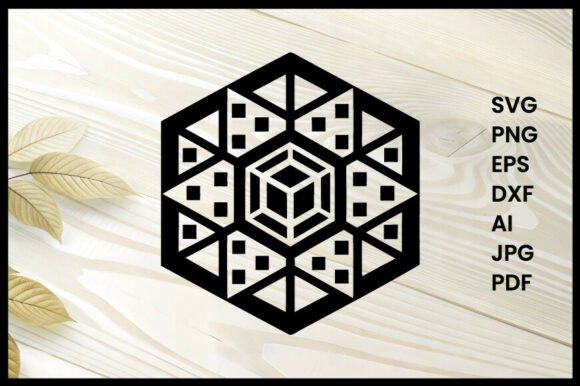
Crypto QR Code Vector Illustration: A Guide to High-Quality Digital Assets
In the rapidly evolving landscape of digital currency and blockchain technology, visual identity plays a crucial role in establishing trust and professionalism. Whether you are a developer launching a new token, a marketer creating promotional materials, or a hobbyist designing custom merchandise, the quality of your graphics matters immensely. This is where a Crypto QR Code Vector Illustration becomes an essential asset. Unlike standard raster images, vector graphics offer infinite scalability without losing clarity, making them ideal for everything from tiny business cards to large-scale banners.
However, many creators overlook the technical nuances of digital design files. They assume that any image labeled "high resolution" will work for their needs, only to discover later that their prints look pixelated or their designs do not integrate well with professional software. Understanding the difference between file formats and knowing how to properly utilize abstract geometric designs can save you time, money, and significant frustration.
The Misconception of Resolution and Format
One of the most common mistakes beginners make is confusing high-resolution raster images with true vector graphics. You might download a JPG or PNG that looks crisp on your screen, but when you attempt to enlarge it for a t-shirt print or a poster, the edges become jagged and blurry. This happens because raster images are made of pixels. In contrast, a Crypto QR Code Vector Illustration uses mathematical paths to define shapes. This means you can scale the design from the size of a stamp to the side of a building, and it will remain perfectly sharp.
When evaluating digital products, always check for native vector formats such as AI (Adobe Illustrator), EPS (Encapsulated PostScript), and SVG (Scalable Vector Graphics). If a seller only provides JPGs or PNGs, you are limited by the original dimensions. For professional applications, having access to the source vector files is non-negotiable. It allows you to edit colors, adjust lines, and integrate the QR code seamlessly into other design elements without quality loss.
Overlooking the Importance of Abstract Geometric Integration
Another frequent oversight is treating the QR code as a standalone utility rather than a design element. Modern branding often incorporates abstract concepts, such as hexagonal geometric designs and 3D cubes, to convey stability, structure, and technological sophistication. A generic black-and-white square may function, but it rarely captures attention or aligns with a premium brand aesthetic.
Designs featuring a 3D cube in the center surrounded by abstract hexagons create a visual metaphor for the blockchain—interconnected, secure, and multi-dimensional. However, a mistake many designers make is overcrowding the QR code with complex graphics, which can interfere with scannability. The best approach is to use vector illustrations that balance artistic flair with functional clarity. Ensure that the critical finder patterns (the three squares in the corners) remain distinct and unobstructed. A well-designed vector illustration will guide the eye to the center while maintaining the integrity of the code itself.
Neglecting Print-Ready Specifications
If you plan to use your design for physical products, such as wedding cards, greeting cards, mugs, or stickers, ignoring print specifications is a costly error. Many users download digital assets and send them directly to a printer without checking color modes or bleed areas. Most digital screens display colors in RGB (Red, Green, Blue), but printers use CMYK (Cyan, Magenta, Yellow, Key/Black). Colors that look vibrant on your monitor may appear dull or shifted when printed if not properly converted.
Furthermore, using a format like DXF (Drawing Exchange Format) is crucial if you are working with cutting machines for vinyl stickers or laser engraving. A comprehensive digital product package should include multiple formats to cover all bases:
- AI and EPS: Essential for professional editing and scaling in vector software.
- SVG: Perfect for web use and compatible with many cutting machines.
- DXF: Ideal for CAD programs and industrial cutting processes.
- PNG: Useful for web graphics with transparent backgrounds.
- JPG: Suitable for quick previews or social media posts.
- PDF: Great for direct printing and sharing with clients who may not have design software.
By ensuring you have access to all these formats, you future-proof your design. You won’t need to hire a graphic designer later to convert a flat image into a usable vector file, which can be expensive and time-consuming.
Assuming One Size Fits All for Print-on-Demand
Entrepreneurs and small business owners often jump into print-on-demand services without testing their files. Each platform has specific requirements for dpi (dots per inch) and file dimensions. While a vector file solves the resolution issue, the way you export it matters. For example, when creating a mug design, you must ensure the artwork wraps correctly around the curvature. Using a rigid, non-editable JPG can lead to misalignment.
A better approach is to start with the AI or EPS file. This allows you to adjust the layout specifically for the product template provided by the print-on-demand service. You can move the 3D cube element to ensure it sits prominently on the front, while the hexagonal patterns flow naturally around the sides. This level of customization distinguishes amateur merchandise from professional-grade products.
Ignoring Legal and Usage Rights
Finally, a critical but often ignored aspect is understanding the license associated with your download. Many users assume that buying a digital product grants them unlimited commercial rights, but this is not always the case. Always read the terms of service. A reputable provider will clearly state that the design is for personal and commercial use, allowing you to create finished products like invitation cards or t-shirts for sale.
However, you typically cannot resell the digital file itself. You are selling the physical or printed end-product, not the source code of the design. Clarifying this distinction protects you from legal issues and respects the intellectual property of the creator. When you download a package that includes high-resolution vectors and multiple formats, you are paying for the convenience and versatility to create unique items, not for the right to redistribute the raw assets.
Making the Right Choice for Your Project
To avoid these pitfalls, take a moment to assess your project needs before downloading. Ask yourself: Will this be printed? Do I need to edit the colors? Will I use it for web or physical goods? If the answer to any of these is yes, prioritize a package that offers full vector support. Look for descriptions that explicitly mention 100% vector graphics and include formats like AI, EPS, and SVG.
Additionally, test the scannability of the QR code after integrating it into your design. Use multiple devices and apps to ensure it reads quickly. A beautiful design is useless if it fails its primary function. By combining aesthetic appeal with technical precision, you create a powerful tool for communication and branding.
In conclusion, investing in a high-quality Crypto QR Code Vector Illustration with abstract hexagonal elements and a 3D cube center is more than just buying a picture. It is acquiring a versatile design asset that, when used correctly, enhances your professional image and expands your creative possibilities. By avoiding common mistakes regarding file formats, print specifications, and usage rights, you ensure that your final products are polished, functional, and ready for the market. Whether you are a freelancer, a marketer, or a small business owner, taking these steps will lead to better results and greater satisfaction with your digital purchases.