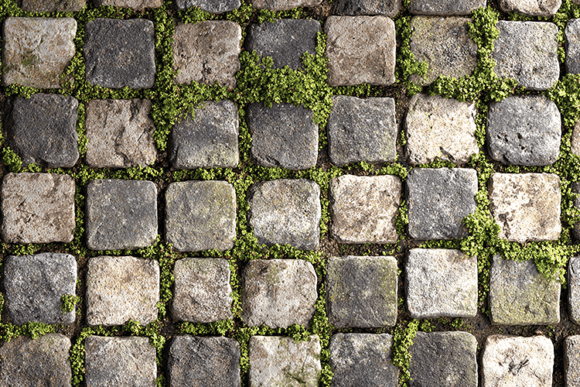
Stone Pavement Texture with Green Moss
Visual authenticity is the cornerstone of compelling digital design. Whether you are crafting a high-end architectural visualization, designing packaging for an artisanal product, or building immersive environments for video games, the difference between a good project and a great one often lies in the details. This is where a high-quality Stone Pavement Texture with Green Moss becomes an indispensable asset. It is not merely a background image; it is a tool that grounds your creative work in reality, providing the weathered, organic feel that sterile, computer-generated surfaces often lack.
The specific value of this asset lies in its resolution and fidelity. At 5824 x 3264 pixels, this JPG file offers more than just visual appeal; it provides the technical flexibility required for professional workflows. For designers and creators, understanding how to leverage such a detailed resource can significantly streamline production times while elevating the final output. Let us explore how integrating this realistic cobblestone background can solve common design challenges and enhance your creative projects.
Enhancing Architectural Visualizations with Organic Detail
Architects and 3D artists frequently struggle with the "uncanny valley" effect in exterior renders. New materials look too perfect, lacking the subtle imperfections that signal age and exposure to the elements. A Stone Pavement Texture with Green Moss introduces necessary entropy into these scenes. The green moss growing between the natural stone blocks suggests history, moisture, and time passing. This narrative element helps clients visualize how a building will settle into its environment rather than sitting awkwardly on top of it.
When used in 3D modeling software, this texture serves as an excellent base for displacement maps or diffuse layers. The high resolution ensures that when cameras zoom in for close-up shots of walkways, courtyards, or garden paths, the texture does not pixelate or blur. Instead, the viewer sees distinct stone edges and soft moss patches. This level of detail builds trust with stakeholders, as the rendering feels tangible and believable. It transforms a static model into a lived-in space, aiding in better decision-making during the design phase.
Elevating Brand Identity for Rustic and Artisanal Markets
For marketers and small business owners, particularly those in the food, beverage, or handmade goods sectors, brand presentation is everything. Consumers associate certain textures with quality and tradition. A clean, white background might work for tech products, but it often feels cold for organic coffee beans, craft beer, or hand-thrown pottery. Here, the Stone Pavement Texture with Green Moss acts as a contextual anchor.
Imagine photographing a line of premium olive oils or rustic bread loaves. Placing these items on a surface that mimics aged cobblestones with hints of greenery instantly communicates values like "natural," "established," and "earthy." This print-ready file allows for high-quality marketing materials, from brochures to large-format posters, without loss of clarity. The realistic lighting in the texture means you spend less time adjusting shadows in post-production, allowing the product to remain the focal point while the background supports the brand story subtly.
Streamlining Digital Paper and Scrapbooking Projects
Digital designers and hobbyists involved in scrapbooking or invitation design often seek backgrounds that add depth without overwhelming the foreground text or images. Low-resolution textures can appear muddy when printed, leading to disappointing results for clients or personal projects. This 5824 x 3264 px JPG file solves this issue by offering a crisp, high-density pixel count.
The interplay of gray stone and vibrant green moss creates a balanced color palette that is neutral enough to support various typography styles yet interesting enough to stand alone. For educators creating historical presentations or publishers designing book covers set in older eras, this texture provides immediate atmospheric context. It eliminates the need to source multiple assets to create a composite background, saving hours of editing time. You can overlay text directly, using blending modes to integrate titles seamlessly into the stone surface, achieving a professional look with minimal effort.
Creating Immersive Environments for Game Design
In the realm of game development and virtual reality, environment art requires assets that are both visually striking and optimized for performance. While this file is high-resolution, it can be tiled or broken down into smaller texture maps for use in game engines. The realistic wear patterns on the cobblestones provide instant visual cues to players about the age and usage of a path. Is this a well-trodden market square or an abandoned forest trail? The presence of moss suggests dampness and neglect, guiding player intuition without explicit narration.
Using a pre-made, high-quality Stone Pavement Texture with Green Moss allows developers to focus on gameplay mechanics and character design rather than spending weeks sculpting and texturing basic ground planes. It serves as a reliable placeholder during prototyping and can often remain in the final build due to its high fidelity. This efficiency is crucial for indie developers and small studios working with tight deadlines and limited resources.
Technical Considerations and Best Practices
While this asset is versatile, it is important to consider its application to ensure optimal results. Because the file is a JPG, it is compressed. For most visual applications, this compression is unnoticeable and beneficial for file size management. However, if you require transparent backgrounds or non-destructive editing layers, you may need to use masking tools in software like Photoshop or GIMP to isolate specific stones or moss patches. The high resolution makes this selection process easier, as the edges are well-defined.
Lighting consistency is another factor. The texture features realistic lighting, which implies a specific light direction. When compositing objects onto this background, ensure your subject’s lighting matches the angle and intensity of the light in the pavement texture. Mismatched shadows can break the illusion of realism. Additionally, for very large format printing beyond standard poster sizes, always check the DPI settings in your design software to ensure the 5824 x 3264 pixel dimensions translate to the desired physical size at 300 DPI.
Who Benefits Most from This Asset?
- Architectural Visualizers: Need realistic ground planes for exterior renders to enhance client presentations.
- Product Photographers: Seek authentic backdrops for rustic, organic, or vintage-style product shoots.
- Graphic Designers: Require high-resolution textures for print media, packaging, and branding materials.
- Game Developers: Look for detailed environment textures to speed up world-building processes.
- Educators and Publishers: Need engaging visual aids for historical or geographical content.
In conclusion, the Stone Pavement Texture with Green Moss is more than a digital file; it is a catalyst for creativity and efficiency. By providing a ready-made, high-fidelity representation of nature reclaiming man-made structures, it allows professionals across various industries to communicate their ideas more effectively. Whether you are aiming to evoke a sense of history, establish a rustic brand identity, or create a believable virtual world, this texture offers the practical utility and aesthetic depth required to achieve your goals. Integrating such high-quality assets into your workflow is a small step that yields significant improvements in the professionalism and impact of your final deliverables.