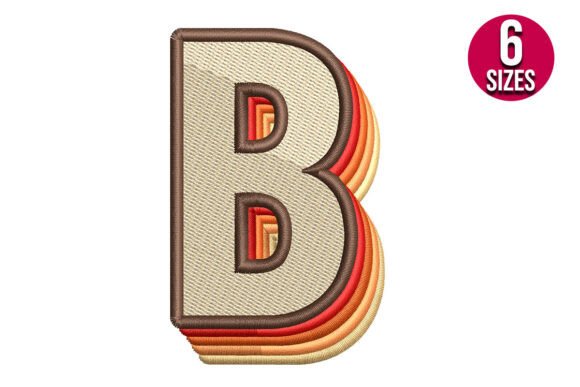
Retro Alphabet Letter B: Vintage Style
There is a distinct warmth to the aesthetics of the 1970s that continues to resonate in modern design. It is not merely about nostalgia; it is about a specific kind of visual comfort—bold, organic, and unapologetically textured. The Retro Alphabet Letter B captures this essence perfectly, offering designers and crafters a tool that bridges the gap between vintage charm and contemporary application. Whether you are working on a digital brand identity or stitching a physical monogram onto a canvas tote, this design element brings a layered, three-dimensional quality that flat graphics often lack.
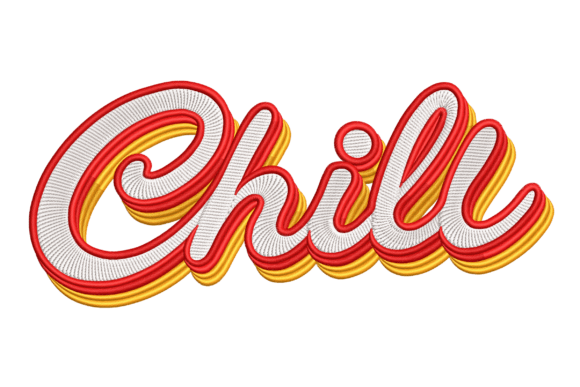
Unlike standard serif font or sans serif font options that prioritize clean lines and minimalism, this letterform embraces complexity. It features bold, 3D-style layering in warm vintage tones of brown, orange, and gold. This dimensional effect is not just decorative; it creates a tactile sense of depth that draws the eye. For those familiar with modern typography, you know that standing out in a saturated market requires more than just legibility. It requires personality. The Retro Letter B Embroidery Design delivers this by mimicking the textured stitching of mid-century crafts, making it a versatile asset for both digital and physical projects.
Visual Personality and Design Appeal
The core appeal of this design lies in its "groovy" yet refined character. It avoids the kitsch sometimes associated with retro revivals by maintaining a structured, professional look. The layered stitch detail gives the impression of handcrafted care, which is increasingly valuable in an age of automated, mass-produced visuals. When you incorporate this creative font style into your work, you are signaling attention to detail and an appreciation for heritage aesthetics.
Visually, the letter B stands strong due to its weight and balance. The interplay of shadows and highlights within the layers creates a dynamic range that works well against various backgrounds. In logo design, this can be pivotal. A flat logo might get lost on a busy social media feed, but a design with inherent depth, like this one, pops without needing excessive external effects. The warm color palette—earth tones that were ubiquitous in 70s interior design and fashion—evokes feelings of reliability, warmth, and approachability. This makes it an excellent choice for brands that want to appear established and trustworthy rather than cold and corporate.
Furthermore, the versatility of the design cannot be overstated. While it is marketed heavily towards embroidery enthusiasts, its utility extends far beyond the sewing machine. Graphic designers can use the vector equivalents or high-resolution renders of this style in packaging design for artisanal goods, such as coffee blends, craft beers, or organic skincare products. The textured look complements natural materials like kraft paper, glass, and wood, enhancing the perceived value of the product.
Strategic Applications Across Media
Understanding where to deploy the Retro Alphabet Letter B is key to maximizing its impact. It is not a one-size-fits-all solution, but rather a specialized tool for specific contexts. Here is how it performs across different mediums:
- Apparel and Accessories: This is the most natural habitat for the design. The embroidered look translates seamlessly to actual fabric. Whether used on denim jackets, caps, or tote bags, the 3D effect adds a premium feel. For small business owners selling custom merchandise, this design offers a quick way to elevate a simple item into a statement piece.
- Social Media Graphics: In web design and social content, texture is often flattened. Using a graphic that simulates embroidery can break the monotony of flat UI elements. It works particularly well for quote cards, event announcements, or brand highlights where you want to convey a cozy, inviting atmosphere.
- Editorial Design: For magazines, blogs, or zines focusing on lifestyle, travel, or food, this letterform can serve as a striking drop cap or section header. It adds a human touch to editorial design, reminding the reader of the craftsmanship behind the content.
- Home Decor: Beyond clothing, the design is ideal for pillowcases, wall hangings, and table linens. The nostalgic touch fits well with the current trend of "grandmillennial" decor, which blends traditional comforts with modern sensibilities.
When considering font pairing, it is important to remember that this design is a display piece. It should not be used for body text. Instead, pair it with clean, neutral typefaces. A simple sans serif font for supporting text allows the Retro B to shine without creating visual clutter. Avoid pairing it with other highly decorative or script font styles, as this can lead to readability issues and a disjointed aesthetic.
Enhancing Brand Perception and Engagement
Typography and design elements are silent ambassadors of your brand. They influence how audiences perceive your professionalism, consistency, and values. The Retro Alphabet Letter B contributes to a brand narrative that values authenticity and heritage. In a marketplace flooded with generic templates, using a distinctive, textured monogram can significantly boost brand recognition.
Readability is rarely an issue with single-letter monograms, but visual hierarchy is crucial. Because the design is bold and colorful, it naturally commands attention. Use this to your advantage by placing it at focal points in your layout. For instance, in a commercial font library, this would be categorized as a display asset, meant for headlines or logos, not paragraphs. By respecting this hierarchy, you ensure that the design enhances rather than overwhelms the user experience.
Moreover, the emotional connection triggered by retro styles can drive engagement. Consumers often associate vintage aesthetics with quality and longevity. By integrating this design into your design assets, you tap into that subconscious association. It suggests that your product or service is built to last, much like the durable goods of the past. This is particularly effective for businesses targeting adults aged 20–50, a demographic that appreciates both nostalgia and modern functionality.
Practical Guidance for Implementation
To get the most out of this design, consider the following practical steps during your creative process:
- Evaluate Project Fit: Ask yourself if the project benefits from a warm, handmade feel. If you are designing for a tech startup aiming for a futuristic look, this may not be the right choice. However, for bakeries, boutiques, or lifestyle blogs, it is an ideal fit.
- Test Color Variations: While the default brown, orange, and gold tones are classic, do not be afraid to adapt the palette to match your brand colors. The layered structure allows for subtle shifts in hue that can maintain the 3D effect while aligning with your visual identity.
- Check Licensing and Sizes: Ensure you have the appropriate commercial license if you are using the design for products you intend to sell. The inclusion of six sizes is a significant advantage, allowing you to scale the design for everything from small jewelry tags to large wall art without losing resolution or stitch integrity.
- Consider Material Constraints: If you are embroidering physically, test the design on different fabrics. Dense stitches work best on sturdy materials like canvas or denim. On lighter fabrics, you may need a stabilizer to prevent puckering, preserving the crispness of the layered look.
In conclusion, the Retro Alphabet Letter B is more than just a decorative element; it is a strategic design tool. It offers a unique blend of nostalgic appeal and modern versatility, suitable for a wide range of creative and commercial applications. By understanding its visual characteristics and applying it with intention, you can enhance your brand’s storytelling, engage your audience on a deeper level, and create memorable, high-quality designs that stand the test of time.