Cosmetics Glass Bottle Mockup: Elevating Your Brand with Precision and Elegance
In the fiercely competitive world of beauty and fragrance, visual presentation is not merely an aesthetic choice; it is a critical business asset. A Cosmetics Glass Bottle Mockup serves as the bridge between a conceptual design and a tangible product reality. For perfume branding, skincare lines, and luxury cosmetic ventures, this tool offers a perfect blend of luxury and elegance, allowing creators to showcase their vision with photorealistic clarity. However, many entrepreneurs and designers overlook the nuances of selecting and utilizing these templates effectively, leading to presentations that fail to capture the true essence of their brand.
Understanding the Value of High-Fidelity Visualization
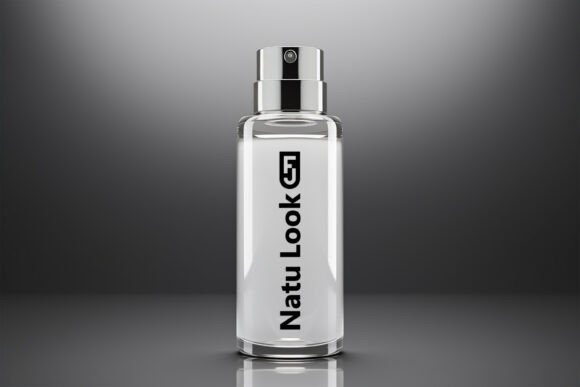
At its core, a mockup is a digital simulation of your final product. The Cosmetics Glass Bottle Mockup idea is tailored specifically for those who need to present their logo and packaging in a context that feels authentic. This remarkable template offers features such as a customizable glass bottle and a 3D render that is as realistic as they come. By using a smart object mockup, you can give your logo the professional presentation it deserves without the exorbitant costs of physical prototyping.
The primary advantage lies in versatility. Whether you are launching a new fragrance or refreshing an existing skincare line, the ability to visualize different label designs on a single bottle structure saves time and resources. It allows for rapid iteration, ensuring that the final choice reflects the character of both your fragrance and cosmetic brand beautifully. Yet, despite these benefits, common pitfalls can undermine the effectiveness of your visual strategy.
Common Mistakes in Selecting and Using Mockups
One of the most frequent errors beginners make is prioritizing style over functionality. While a dramatic, artistic background might look stunning on social media, it can distract from the product itself. If the lighting in the PSD logo mockup clashes with your brand’s color palette, the result can feel disjointed rather than cohesive. For instance, placing a minimalist, clean-label serum on a dark, moody, baroque-style background may confuse potential customers about the product’s identity.
Another significant oversight is ignoring the technical specifications of the file. Many users download a vector bottle mockup or a PSD file without checking the resolution or layer organization. If the smart objects are not properly set up, adjusting the logo placement becomes a tedious task rather than a piece of beauty cake. This inefficiency can delay marketing campaigns and frustrate designers who prioritize pixel-perfect details.
Furthermore, there is a misunderstanding regarding the role of realism. Some creators attempt to over-edit the mockup, adding excessive shadows or reflections that do not exist in real life. This hyper-realism can backfire, making the product look artificial. The goal of a product packaging mockup is to ensure your products are always in the limelight, but this should be achieved through subtle enhancements that mimic natural light, not through digital exaggeration.
How These Errors Impact Your Brand Perception
When a mockup fails to accurately represent the product, it creates a disconnect between consumer expectation and reality. If the glass texture in the render looks plastic due to poor lighting settings, customers may question the quality of the actual bottle. This skepticism can lead to lower conversion rates and increased return requests. Additionally, inconsistent branding across different mockups can dilute brand recognition. If your perfume bottle appears gold in one image and silver in another due to incorrect material adjustments, you risk confusing your audience.
From a practical standpoint, using low-quality or poorly structured files wastes valuable time. Designers may spend hours trying to fix alignment issues or color mismatches that could have been avoided by choosing a higher-quality template initially. This inefficiency not only increases labor costs but also delays time-to-market, which is crucial in the fast-paced beauty industry.
Practical Advice for Better Results
To avoid these pitfalls, start by evaluating the cosmetic bottle designs included in the package. Look for a set that offers multiple angles and lighting conditions. This variety allows you to choose the perspective that best highlights your label design. Ensure that the template includes a smart object mockup that is easy to edit. A well-organized PSD file will have clearly labeled layers, making it simple to insert your logo and adjust colors without disrupting the overall composition.
Pay close attention to the material properties. Glass behaves uniquely under light, reflecting and refracting its surroundings. A high-quality skincare bottle mockup should account for these physical properties. Check if the template allows you to adjust the opacity and glossiness of the glass. This level of control ensures that your product looks authentic, whether it is a heavy, luxurious perfume bottle or a lightweight, eco-friendly serum container.
Additionally, consider the context in which your product will be viewed. If you are creating assets for e-commerce, opt for clean, white-background mockups that focus solely on the product. For social media campaigns, you might choose lifestyle-oriented scenes that evoke an emotion or lifestyle associated with your brand. The key is consistency. Use the same lighting and angle standards across all your marketing materials to build a cohesive visual identity.
What to Check Before Making a Decision
Before downloading or purchasing a Cosmetics Glass Bottle Mockup, review the preview images carefully. Look for signs of pixelation or awkward shadows that indicate low-quality rendering. Read the description to confirm that the file format meets your needs. Most professionals prefer PSD files for their flexibility, but vector formats may be suitable for simpler designs. Ensure that the package includes a product label design guide or template to help you align your artwork correctly.
Also, verify the license terms. Some mockups are for personal use only, while others allow commercial application. Using a restricted file for a client project can lead to legal complications. Finally, check for customer reviews or ratings if available. Feedback from other designers can provide insights into the ease of use and quality of the support provided by the creator.
By approaching the selection and use of mockups with a critical eye and a clear strategy, you can leverage these tools to enhance your brand’s appeal. The right branding showcase not only handles cosmetics branding with grace and finesse but also inspires confidence in your potential customers. Feel the satisfaction of seeing your products come to life with a tool that ensures your vision is communicated clearly and beautifully.
- Prioritize Clarity: Choose mockups that highlight the product without distracting backgrounds.
- Check Technical Specs: Ensure high resolution and well-organized smart objects for efficiency.
- Maintain Realism: Avoid over-editing; let natural light and material properties speak for themselves.
- Ensure Consistency: Use uniform lighting and angles across all marketing assets.
- Verify Licensing: Confirm commercial use rights to avoid legal issues.
Ultimately, the Cosmetics Glass Bottle Mockup is more than just a design file; it is a strategic tool for brand communication. By avoiding common mistakes and focusing on quality and authenticity, you can create visuals that truly resonate with your audience and drive success for your beauty brand.